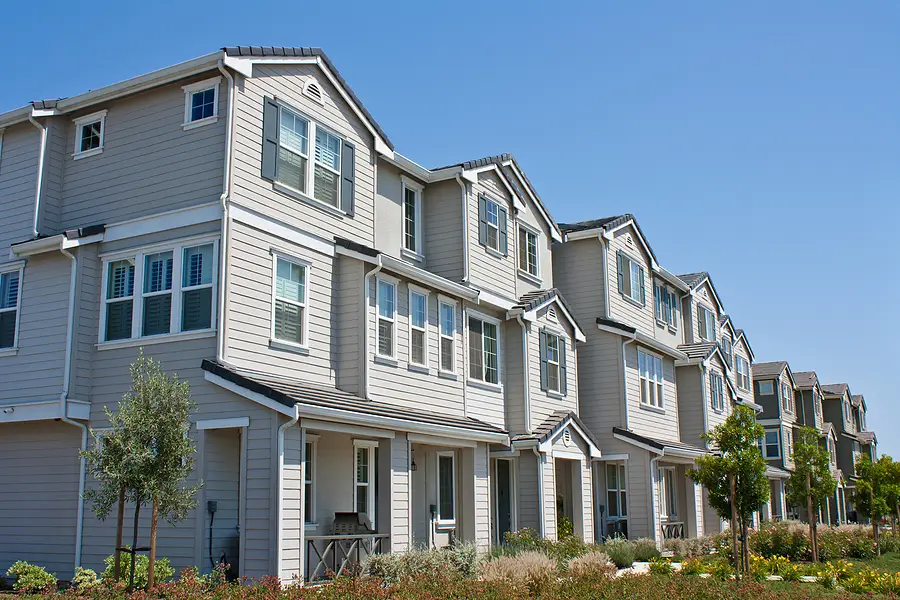
Managing a multifamily property in Boise, ID, presents both opportunity and complexity. With stable population growth and strong rental demand, multifamily investments can deliver consistent income and long-term appreciation. However, managing multiple units requires more than collecting rent and filling vacancies. It demands structure, consistency, and expertise across operations, maintenance, leasing, and financial management.
Whether managing a small duplex or a large apartment community, the fundamentals remain the same. Success comes from combining strong processes with local market knowledge.
Key Takeaways
Multifamily property management in Boise requires structured systems to handle leasing, maintenance, and tenant relations efficiently.
Proactive maintenance and responsive service improve tenant satisfaction and reduce costly turnover.
Accurate financial reporting supports better decision-making and long-term investment performance.
Professional management helps reduce risk, ensure compliance, and support efficient portfolio growth.
The Scope of Multifamily Property Management
Multifamily property management involves overseeing multiple rental units within a single property or portfolio. This includes leasing, tenant relations, maintenance coordination, rent collection, and financial reporting.
Unlike single-family rentals, multifamily properties require a higher level of organization. Multiple tenants mean more communication, more maintenance requests, and more opportunities for inefficiencies if systems are not in place. Effective management ensures that operations run smoothly while maintaining a positive tenant experience.
The Importance of Efficient Leasing Systems
Filling vacancies quickly is critical to maintaining profitability. In Boise’s competitive rental market, delays in leasing can lead to lost income and reduced cash flow. Multifamily properties often experience more frequent turnover due to higher tenant volume.
Strong leasing systems include professional marketing, timely responses to inquiries, and streamlined showing processes. Clear communication during the application process helps attract qualified tenants and reduces the likelihood of disputes later. Efficient leasing also relies on consistent screening standards. Ensuring that every applicant meets the same criteria helps protect the property and maintain a stable tenant base.
Maintenance Coordination across Multiple Units
Maintenance is one of the most demanding aspects of multifamily management. With multiple units and shared spaces, the volume of repair requests can increase significantly. Without a structured approach, maintenance issues can quickly become overwhelming.
Timely repairs are essential for tenant satisfaction and retention. Delayed responses can lead to frustration, negative reviews, and increased turnover. Preventative maintenance also plays a key role in reducing long-term costs.
Working with a dependable maintenance services team ensures that repairs are handled efficiently and consistently. This approach minimizes disruptions, protects property condition, and supports a better living experience for tenants.
Financial Management and Reporting
Managing finances for a multifamily property requires accuracy and organization. Rent collection, expense tracking, and reporting must be handled consistently to maintain profitability and transparency. Clear financial reporting allows property owners to evaluate performance and make informed decisions. It also simplifies tax preparation and long-term planning.
Integrating financial systems with professional accounting support helps ensure that records are accurate and accessible. This level of organization becomes increasingly important as the number of units grows.
Tenant Retention Strategies That Work
Attracting tenants is only part of the equation. Retaining them is equally important for maintaining a stable income. High turnover leads to additional costs, including cleaning, repairs, and marketing.
Tenant retention begins with clear communication and responsive service. When tenants feel heard and supported, they are more likely to renew their leases. Consistency in policy enforcement also contributes to a stable and fair environment. Small improvements, such as maintaining clean common areas and addressing concerns quickly, can have a significant impact on tenant satisfaction.
The Role of Preventative Maintenance
Preventative maintenance is essential for managing multifamily properties efficiently. Regular inspections and routine servicing help identify issues before they escalate into costly repairs.
Proactive maintenance also reduces emergencies, which can be unmanageable and expensive. Keeping systems such as plumbing, HVAC, and electrical components in good condition supports both tenant comfort and property value. A structured maintenance plan ensures that all units receive consistent care, reducing variability and improving overall performance.
Managing Risk and Legal Compliance
Multifamily property management must align with Idaho landlord-tenant laws and fair housing regulations. Compliance includes lease agreements, notice requirements, security deposit handling, and habitability standards. Inconsistent enforcement or lack of documentation can expose property owners to legal risk. Clear policies and standardized procedures help ensure compliance and reduce disputes.
Professional management provides the structure needed to handle these responsibilities effectively. Consistency in communication and documentation strengthens legal protection and supports fair treatment of all tenants.
Scaling Multifamily Investments
As property owners expand their portfolios, the complexity of management increases. Managing multiple units across different properties requires scalable systems and reliable processes. Technology and professional oversight play key roles in successful scaling. From automated rent collection to centralized maintenance coordination, efficient systems allow owners to manage growth without increasing stress.
Many investors find that transitioning to full-service management improves efficiency and frees up time for strategic planning. This approach supports long-term growth while maintaining operational quality.
FAQs
1. What is considered a multifamily property?
A multifamily property includes any residential building with multiple units, such as duplexes, triplexes, or apartment complexes.
2. Is multifamily property management more complex than single-family management?
Yes. Managing multiple tenants and units requires more coordination, communication, and structured processes.
3. How can owners reduce turnover in multifamily properties?
Responsive maintenance, clear communication, and consistent policy enforcement help improve tenant retention.
4. What are the biggest challenges in multifamily management?
Maintenance coordination, tenant communication, and financial tracking are among the most common challenges.
5. Does professional management improve profitability?
Yes. Structured systems and local expertise help reduce vacancy, control costs, and improve overall performance.
Strengthen Your Multifamily Investment with 1st Rate Property Management in Boise
Managing a multifamily property in Boise requires more than basic oversight. It demands a strategic approach that combines efficient systems, proactive maintenance, and clear financial management. Property owners who invest in professional management are better positioned to maximize occupancy, reduce stress, and protect long-term value.
At 1st Rate Property Management, comprehensive solutions are designed to support multifamily success at every stage. From leasing and maintenance to financial reporting and compliance, every detail is handled with consistency and expertise. To see how these services can support your investment goals, connect with us today through the contact page.