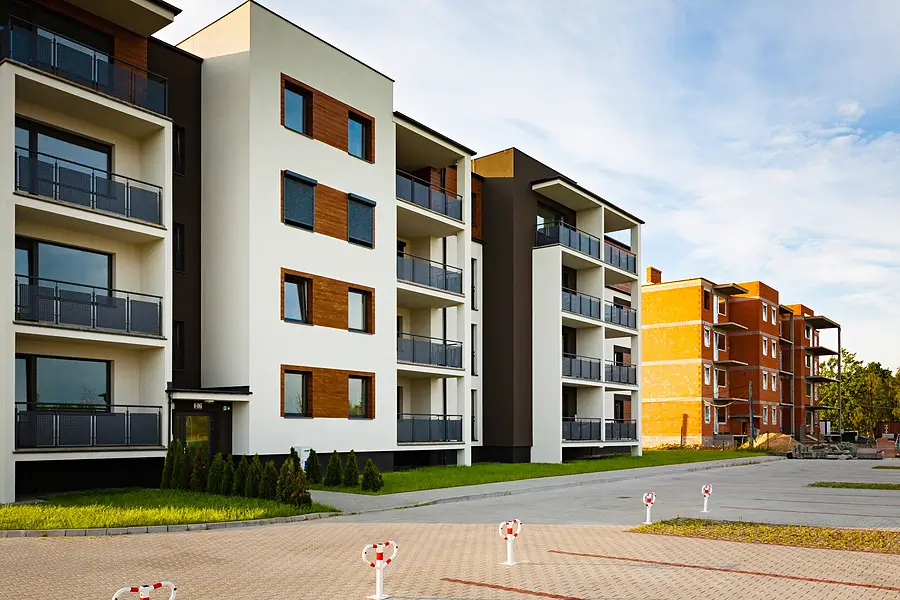
Managing a multifamily property in Boise, ID, offers strong income potential but also introduces greater complexity than single-family rentals. With multiple units, tenants, and shared spaces, property owners must balance operations, maintenance, leasing, and financial oversight while maintaining a positive tenant experience. Without the right systems in place, inefficiencies can quickly impact profitability.
Successful multifamily ownership depends on consistency, organization, and local market awareness. A well-managed property not only attracts quality tenants but also retains them, reduces vacancy, and protects long-term value. This guide outlines what property owners need to know to effectively manage multifamily investments in Boise’s competitive rental market.
Key Takeaways
Multifamily property management in Boise requires efficient systems to handle leasing, maintenance, and tenant communication.
Proactive maintenance and timely service requests improve tenant satisfaction and reduce turnover.
Accurate financial reporting supports better decision-making and long-term investment performance.
Professional management helps reduce risk, ensure compliance, and support scalable growth.
Boise continues to experience steady population growth and strong rental demand, making multifamily properties an increasingly attractive investment.
How Multifamily Property Management Works
Multifamily property management involves overseeing multiple rental units within a single building or across multiple properties. This includes tenant placement, lease enforcement, maintenance coordination, rent collection, and financial reporting.
Unlike single-family rentals, multifamily properties require streamlined processes to handle higher tenant volume. Communication must be consistent, maintenance must be timely, and financial tracking must be precise. When these elements align, operations become more predictable and streamlined.
Leasing Strategies That Reduce Vacancy
Vacancy is one of the biggest threats to rental income. In Boise’s competitive market, tenants have options, which means properties must stand out in listings and pricing. Effective leasing strategies begin with accurate pricing, professional marketing, and fast response times.
Clear and compelling listings attract attention, but the leasing process must also be efficient. Prospective tenants expect quick answers and easy access to property information. Delays can result in lost opportunities and longer vacancy periods.
Consistent screening practices are equally important. Selecting qualified tenants helps reduce turnover and ensures stable income. When leasing systems are structured and repeatable, properties maintain higher occupancy rates.
Maintenance Coordination Across Multiple Units
Maintenance is one of the most demanding aspects of multifamily management. With multiple tenants, the number of service requests increases, and delays can quickly lead to dissatisfaction. Addressing maintenance issues promptly is essential for tenant retention and property condition.
Preventative maintenance is especially important in multifamily properties. Regular inspections and routine servicing help identify small issues before they become expensive repairs. This approach reduces emergency situations and keeps operations running smoothly.
Working with a reliable maintenance provider ensures that repairs are handled efficiently and consistently. Proactive maintenance not only protects the property but also improves the overall tenant experience.
Financial Management and Reporting
Financial oversight is critical in multifamily property management. With multiple units generating income, tracking rent payments, expenses, and performance metrics becomes more complex. Without accurate records, it is difficult to measure profitability or make informed decisions.
Organized financial reporting provides clarity and control. Property owners can evaluate income trends, identify cost patterns, and plan for future investments. Consistent reporting also simplifies tax preparation and long-term financial planning.
Integrating these processes with professional accounting support ensures that financial data remains accurate and accessible. This level of organization helps property owners maintain confidence in their investment performance.
Tenant Retention and Satisfaction
Attracting tenants is only part of the equation. Retaining them is essential for maintaining a consistent income and reducing turnover costs. Multifamily properties experience more frequent turnover due to higher tenant volume, making retention strategies even more important.
Tenant satisfaction begins with clear communication and responsive service. Addressing concerns quickly and maintaining common areas creates a positive living environment. When tenants feel valued, they are more likely to renew their leases.
Consistency in policy enforcement also contributes to stability. When rules are applied fairly, tenants are more likely to respect them, reducing conflicts and creating a stronger community atmosphere.
Compliance and Risk Management
Property owners in Boise must comply with Idaho landlord-tenant laws and federal housing regulations. This includes proper lease agreements, notice requirements, and adherence to habitability standards. Failure to comply can result in legal disputes and financial penalties.
Multifamily properties require consistent documentation and standardized procedures to reduce risk. From lease enforcement to maintenance records, every interaction should be documented to ensure accountability.
Professional management helps ensure compliance by applying consistent processes and staying informed about legal requirements. This reduces liability and protects the property owner’s investment.
Scaling Multifamily Investments
As property owners expand their portfolios, the complexity of management increases. Managing multiple units across different locations requires efficient systems and reliable processes. Without scalability, growth can lead to inefficiencies and increased stress.
Technology plays a key role in scaling operations. Automated rent collection, digital communication tools, and centralized maintenance coordination improve efficiency. These systems allow property owners to manage more units without sacrificing quality.
Many investors find that transitioning to full-service management improves scalability. Structured systems and professional oversight help maintain performance while supporting long-term growth. Strong operational support becomes even more valuable as portfolios expand.
The Long-Term Benefits of Professional Management
Managing a multifamily property requires time, expertise, and consistent attention. Professional management provides the structure needed to handle these responsibilities effectively. From leasing and maintenance to financial reporting and compliance, every aspect is handled with precision.
Owners benefit from reduced stress, improved efficiency, and better financial outcomes. Many of the advantages of professional management come from streamlined processes and local expertise, which help properties perform at a higher level.
FAQs
1. What qualifies as a multifamily property?
A multifamily property includes any residential building with multiple rental units, such as duplexes, triplexes, or apartment complexes.
2. Is multifamily management more complex than single-family management?
Yes. Managing multiple tenants and shared spaces requires more coordination and structured systems.
3. How can owners reduce vacancy in multifamily properties?
Effective marketing, competitive pricing, and responsive communication help reduce vacancy time.
4. What are the biggest challenges in multifamily management?
Maintenance coordination, tenant communication, and financial tracking are common challenges.
5. Does professional management improve tenant retention?
Yes. Consistent service and clear communication contribute to higher tenant satisfaction and renewals.
Elevate Your Multifamily Investment With 1st Rate Property Management
Managing a multifamily property in Boise requires more than basic oversight. It demands a strategic approach that combines efficient operations, proactive maintenance, and clear financial management. Property owners who invest in professional management are better positioned to maximize occupancy, reduce stress, and protect long-term value.
At 1st Rate Property Management, comprehensive solutions are designed to support multifamily success at every stage. From tenant placement to ongoing property care, every detail is handled with consistency and expertise. To take the next step toward stronger performance, connect with us today and see how professional services can support your investment goals.